
Learning at Berrylands
Learning that means something
An ambitious, personalised curriculum that develops knowledge, confidence, independence and the skills young people need for life beyond school.
1
CURIOSITY
Asking questions, exploring ideas and developing an interest in the world.
5
COLLABORATION
Working with others, sharing responsibilities and developing teamwork.
Eight capabilities
A lifetime of possibilities
Our 8C's curriculum is underpinned by eight core capabilities that guide how young people learn, interact, develop and prepare for the future.
2
CREATIVITY
Using imagination, experimenting and finding new ways to solve problems.
6
COMPASSION
Understanding emotions, showing empathy and caring for ourselves and others.
3
CRITICISM
Thinking carefully, evaluating information and making informed decisions.
7
COMPOSURE
Developing emotional regulation, resilience and the ability to manage challenges.
4
COMMUNICATION
Expressing ideas, listening to others and developing positive interactions.
8
CITIZENSHIP
Understanding our responsibilities to our communities, society and the natural world.
Every journey begins somewhere
Our personalised learning pathways recognise that young people progress at different rates and may need different forms of support at different stages. These are flexible, personalised pathways rather than fixed age groups or rigid stages. Young people may work across different pathways according to their individual needs.
ROOTS
NURTURE
GROWTH
Building the foundations. Focus on safety, belonging, trust, engagement, communication and the fundamental skills needed to access learning.
Developing confidence and capability. Support young people to sustain engagement, strengthen academic and social skills, develop emotional regulation and experience meaningful achievement.
Preparing for the next chapter. Develop increasing independence, academic achievement, recognised qualifications, aspirations and readiness for future education, training or employment.
Strong foundations. Real achievement.
Academic learning remains an essential part of education at Berrylands School. We provide personalised teaching in English, mathematics and other curriculum areas, adapted to individual starting points and learning needs. Teaching takes place individually and in very small groups, with opportunities to consolidate skills through practical projects and real-world experiences. We place particular emphasis on reading, communication, numeracy and developing the confidence to engage with increasingly challenging work.
Core Curriculum
ENGLISH & READING
Literacy, reading, writing, comprehension and communication.
Core Curriculum
MATHEMATICS
Numeracy, mathematical understanding and practical problem-solving.
Learning Method
PERSONALISED TEACHING
Inquiry led subjects, Individual targets, small-group learning and appropriate adaptations.
Innovation
DIGITAL LEARNING
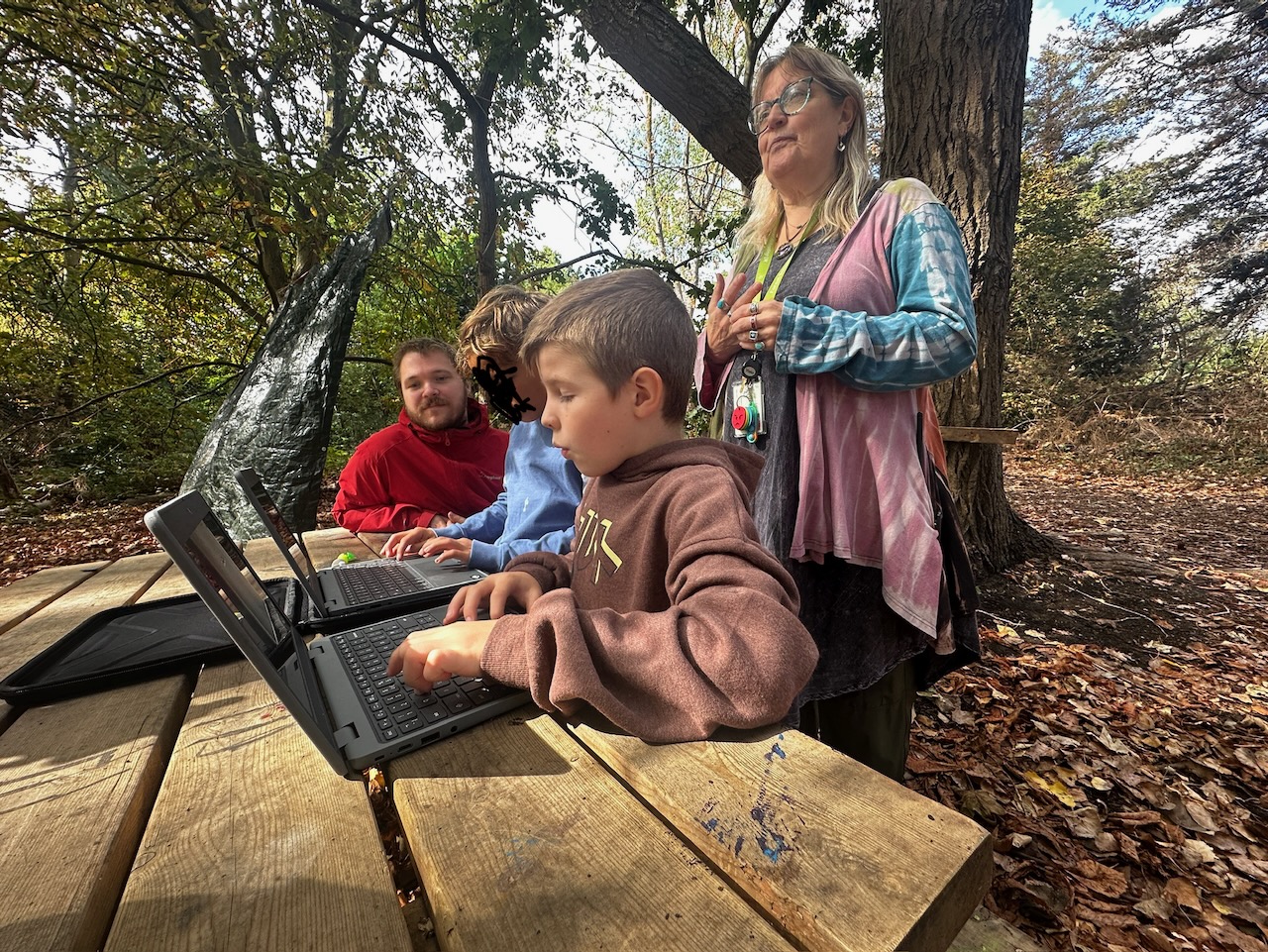
Using technology to support engagement, independent learning and achievement.
Achievement that opens doors
We believe that every young person should have opportunities to demonstrate their learning and gain recognition for their achievements. Our curriculum provides pathways towards nationally recognised qualifications and accreditation where appropriate to the young person's ability, needs and aspirations.
AQA UNIT AWARD SCHEME
Recognising individual achievements through accessible, clearly defined learning outcomes across academic, practical and personal development activities.
Qualification pathways are personalised. Availability and suitability depend on individual needs, starting points and educational plans.
FUNCTIONAL SKILLS
Developing essential English and mathematics skills through Entry Level and Level 1 or Level 2 pathways, according to individual readiness.
GCSE PATHWAYS
Providing opportunities to work towards GCSE qualifications where appropriate, with personalised preparation and support.
The world is our classroom
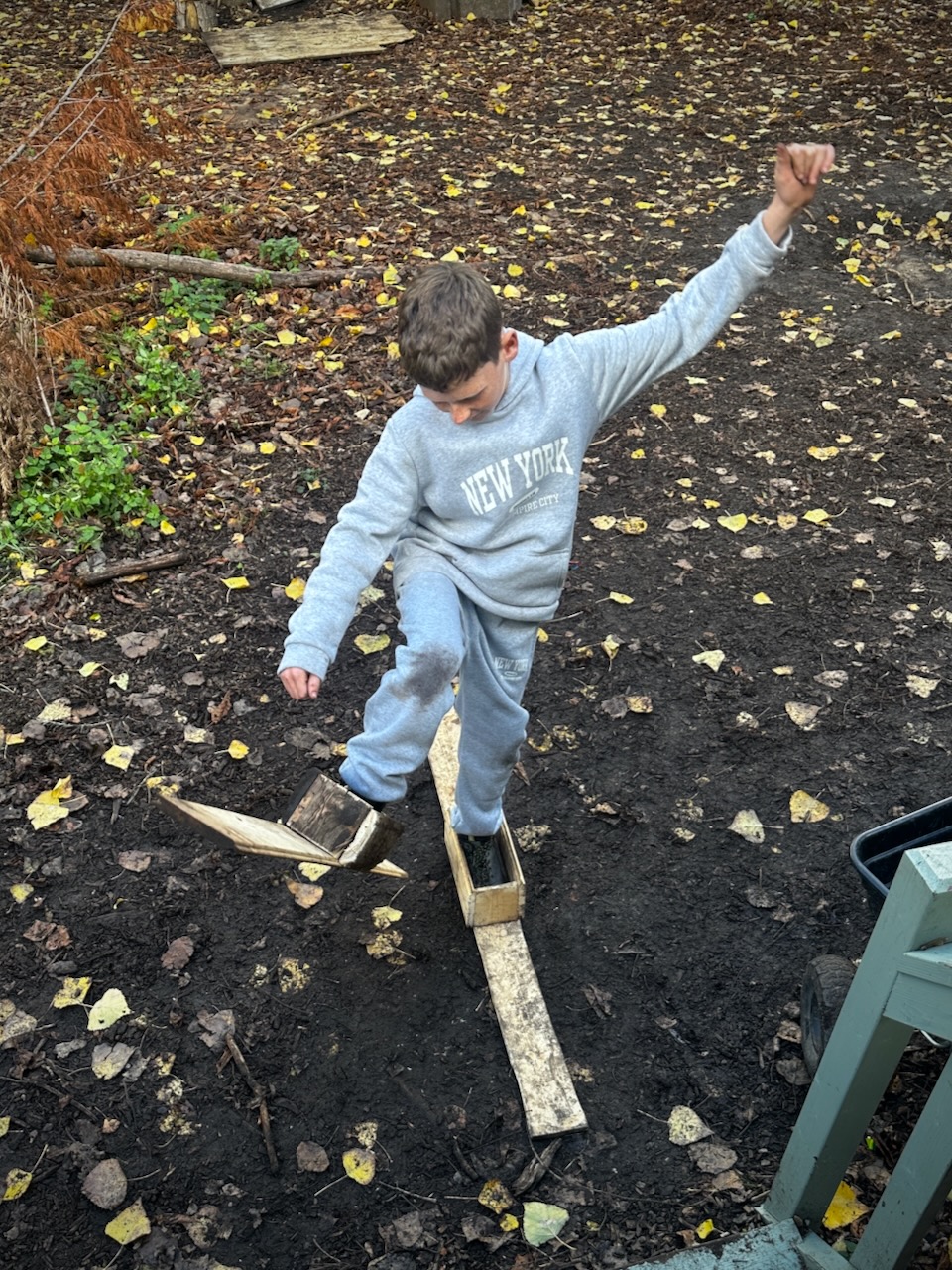
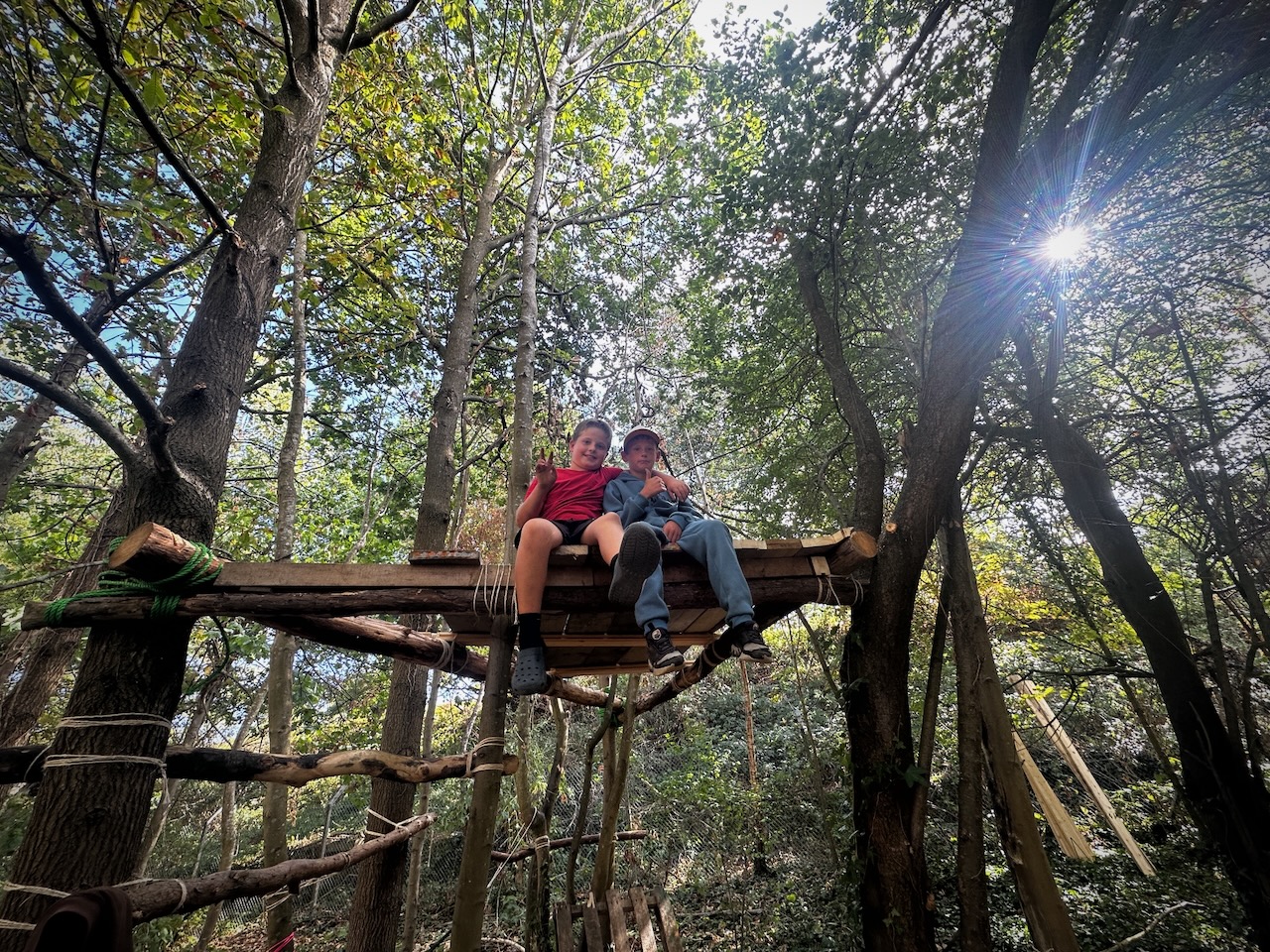
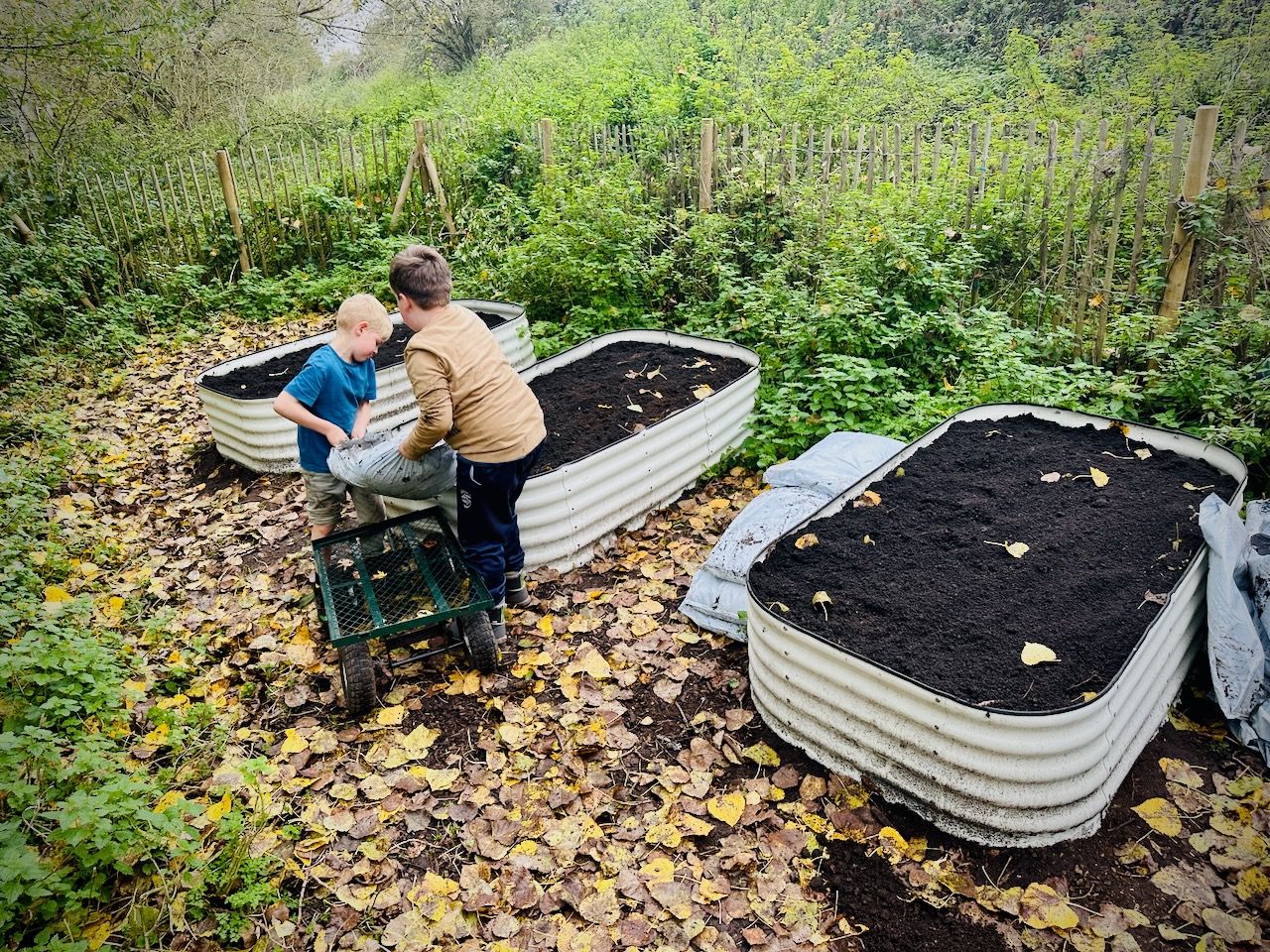
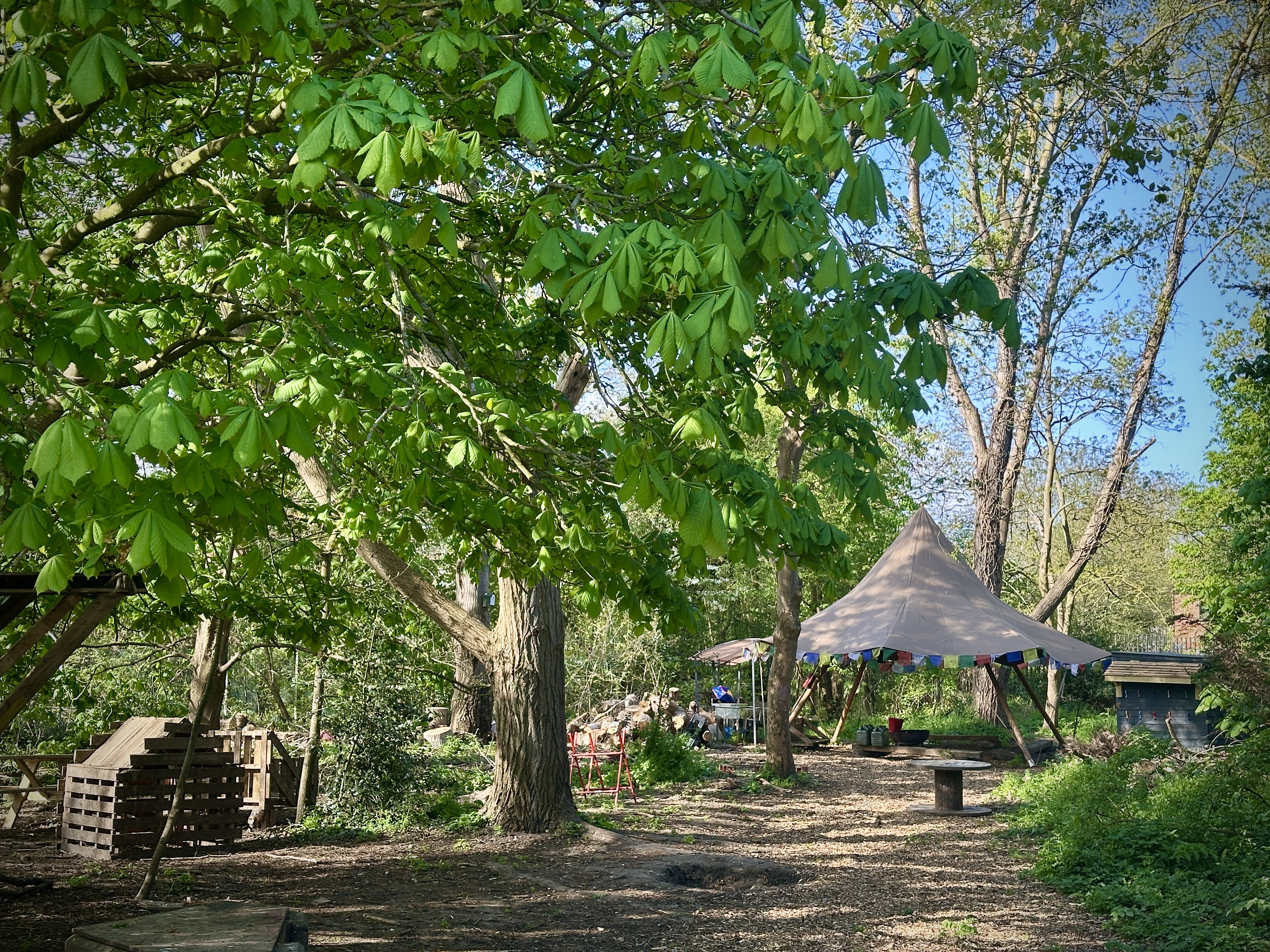
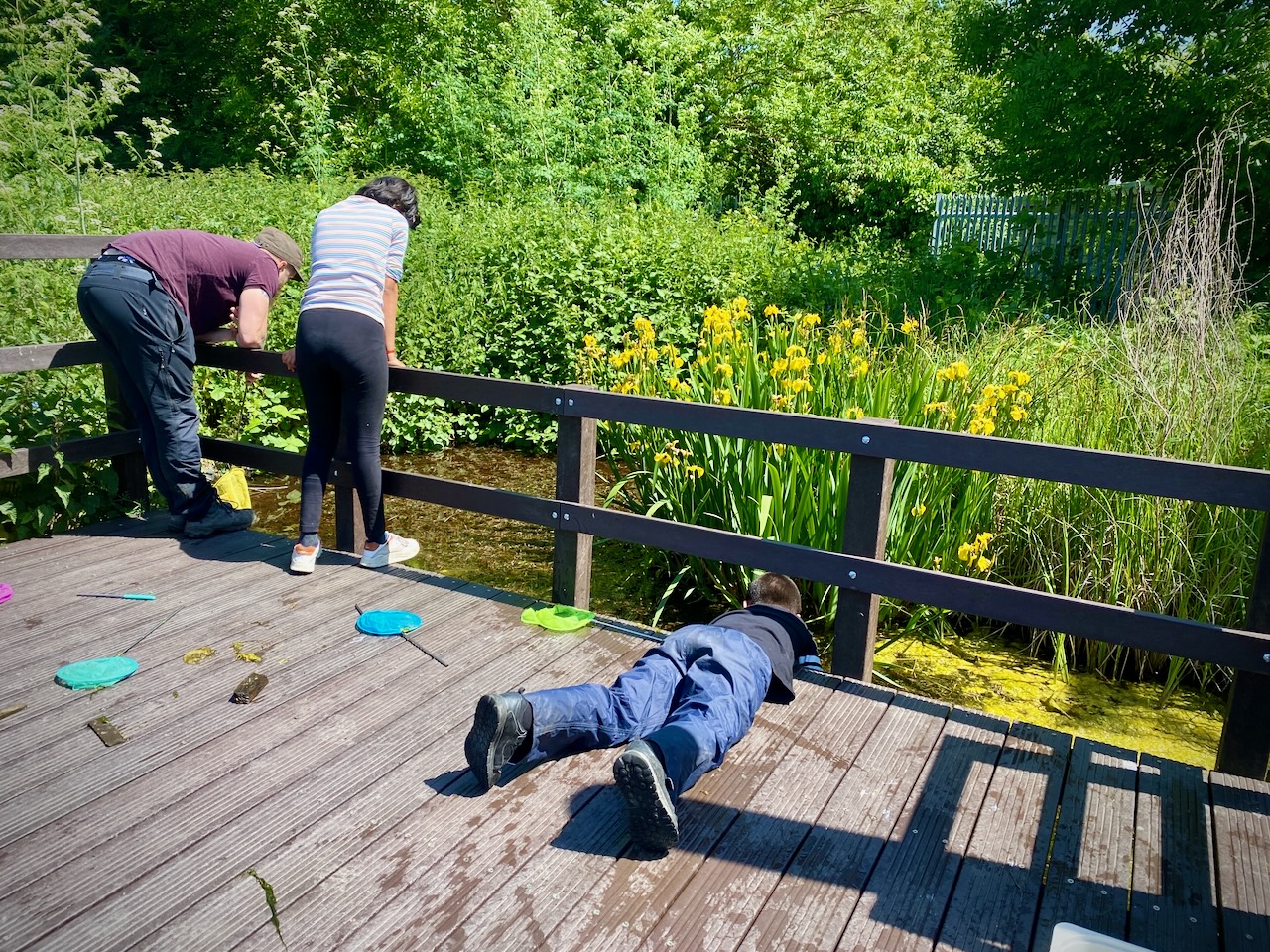
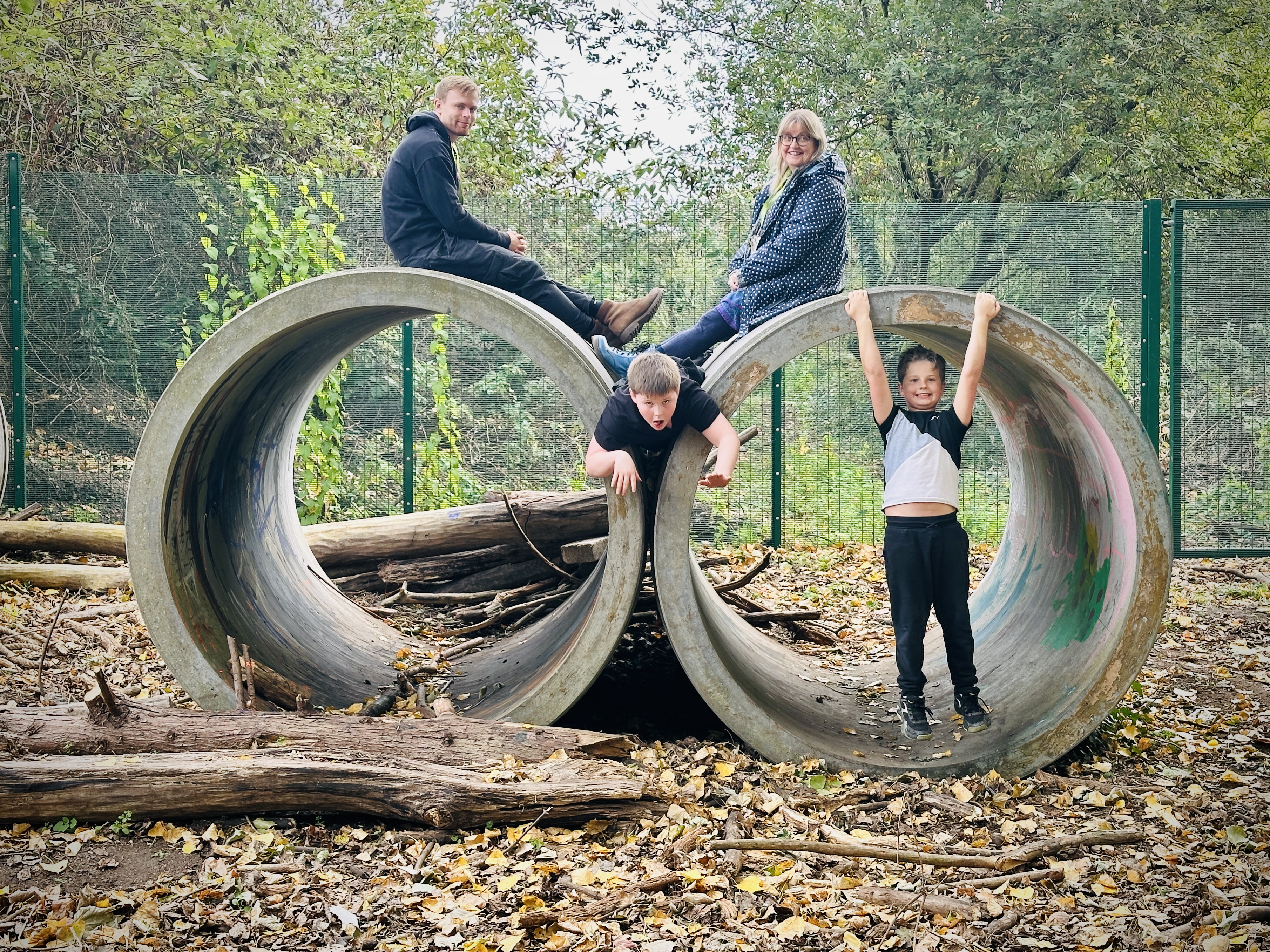
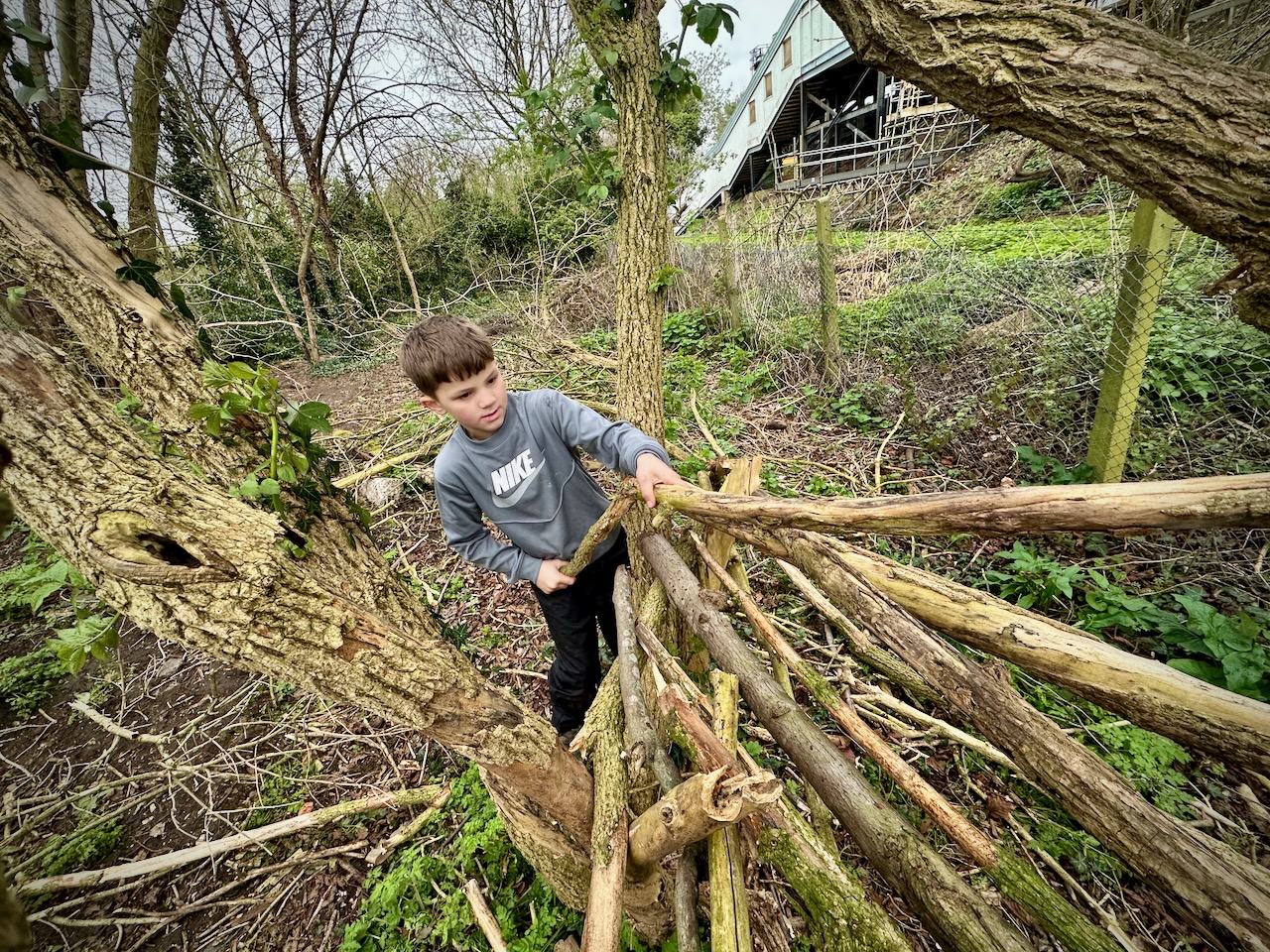
Our woodland environment provides opportunities to apply learning in meaningful and practical ways. Outdoor education is integrated into our curriculum, enabling young people to develop academic knowledge, practical skills, creativity, teamwork and responsibility through carefully planned projects.


Learning to understand ourselves and others
For many of our young people, social and emotional development is essential to accessing education successfully. Our curriculum provides daily opportunities to develop communication, emotional awareness, relationships, self-regulation, problem-solving and independence. These skills are taught, modelled and practised through structured learning, everyday interactions, practical experiences and restorative conversations.
Emotional Regulation
Communication & Relationships
Resilience & Problem-Solving
Independence & Responsibility
Recognising progress. Evidencing achievement.
We take assessment and educational progress seriously. Every young person has individual learning targets informed by their starting points, identified needs and educational plans. Progress is monitored through academic assessment, observations, practical evidence, recognised accreditation and regular reviews. We recognise that meaningful progress can include improvements in attendance, engagement, relationships, emotional regulation and independence alongside academic outcomes. Our approach allows us to celebrate achievement while identifying where further support, adaptation or challenge is needed.
1
2
Assess Starting Points
Set Individual Targets
3
Teach, Support & Observe
4
Review, Evidence & Celebrate
Education for life beyond Berrylands
Our responsibility extends beyond a young person's time at school. We aim to help young people develop the knowledge, qualifications, confidence and practical skills needed to make positive transitions into further education, training, employment and adult life. As young people progress, we support them to explore interests, develop aspirations, understand their strengths and take increasing responsibility for their learning and choices. Preparation for adulthood is woven throughout the curriculum, including communication, independent living skills, community participation, practical problem-solving and careers-related learning.
